You could almost feel the collective whiplash when Billie Eilish stepped up to accept Song of the Year at the Grammys and decided that, along with thanking the academy, she’d also unload on immigration enforcement.
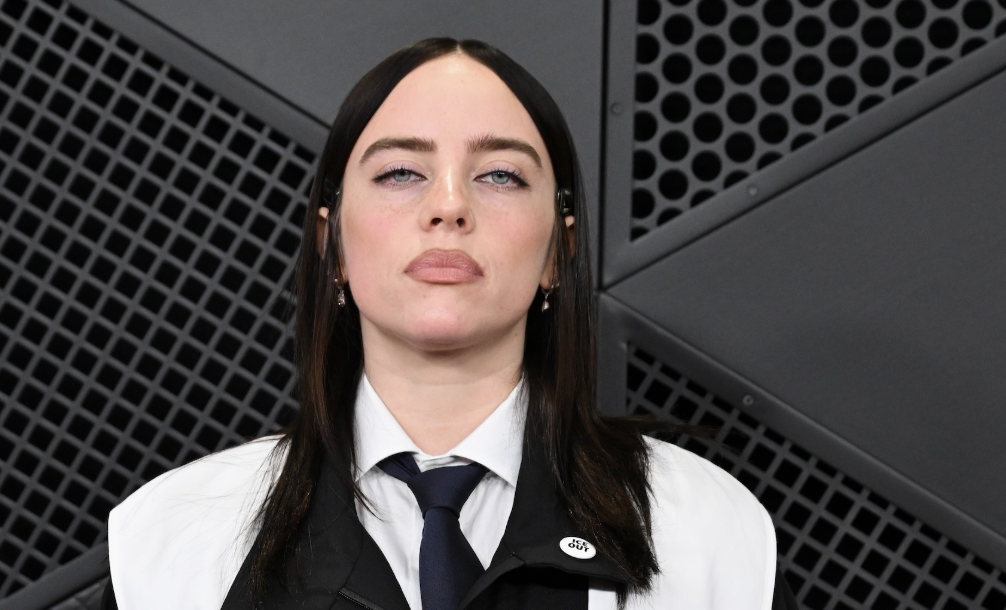
There she was, Grammy in hand, wearing an “ICE OUT” pin, declaring that “no one is illegal on stolen land” and tossing in a blunt “f— ICE” for good measure. The room applauded, the cameras rolled, and within hours the internet did what it always does when celebrities wander into politics with a microphone and a global audience.
Here’s where the conversation really took off. Eilish, who is 24 and one of the most powerful pop stars on the planet, isn’t exactly living a minimalist, off-the-grid lifestyle. She owns high-value property in the Los Angeles area, protected by gates, walls, and security.
So when she framed America as “stolen land” and dismissed immigration enforcement entirely, critics zeroed in on what they saw as a glaring contradiction. If no one is illegal on stolen land, then what does that say about private property, home ownership, and the legal framework that makes celebrity mansions possible in the first place?
Lawmakers and commentators didn’t waste time pointing this out. Senator Mike Lee argued that land acknowledgments mean nothing unless the speaker is willing to give the land back. Minnesota state Rep. Walter Hudson took it further, saying that if the entire country is illegitimate, then every deed, title, and award accepted on that land is equally illegitimate. In other words, you can’t just say the line, soak up applause, and then go right back to enjoying the benefits of the system you’re condemning.
🔥🚨 JUST IN: Billie Eilish is under MAJOR backlash as she calls America ‘stolen land’ last night at the grammy’s
Eilish has a $14,000,000 mansion in LA, built on land where the Tongva tribes once lived.
Think she has any plans on returning it?pic.twitter.com/boo1QOVsoG
— The Patriot Oasis™ (@ThePatriotOasis) February 2, 2026
Conservative commentators piled on, mocking the idea that someone living behind gates and guards is positioned to lecture ordinary Americans about deportations and border enforcement. Florida Governor Ron DeSantis openly suggested that if Eilish truly believes her own rhetoric, she should forfeit her California mansion. Elon Musk chimed in with a quick agreement, because of course he did. Even across the Atlantic, critics framed the speech as classic celebrity posturing, loud, dramatic, and completely disconnected from real-world consequences.
Meanwhile, the Department of Homeland Security fired back with a reality check. While celebrities were booing ICE from an awards stage, DHS officials said agents were busy arresting sex offenders, child abusers, and violent criminals. That contrast became a central theme in the backlash: glamorous speeches versus unglamorous enforcement work that most Americans never see but rely on.
This isn’t new territory for Billie Eilish. She’s repeatedly accused ICE of kidnapping and murdering people, language that law enforcement officials strongly reject. But the Grammys moment struck a nerve because it condensed everything into one shiny, televised package. Moral certainty, activist slogans, and zero acknowledgment of the complexity of immigration law or public safety.
At the end of the day, the outrage wasn’t really about a pin or a sentence. It was about credibility. When celebrities speak as if the entire system is corrupt while continuing to thrive within it, people notice. And they’re increasingly willing to call it out, Grammy stage or not.