
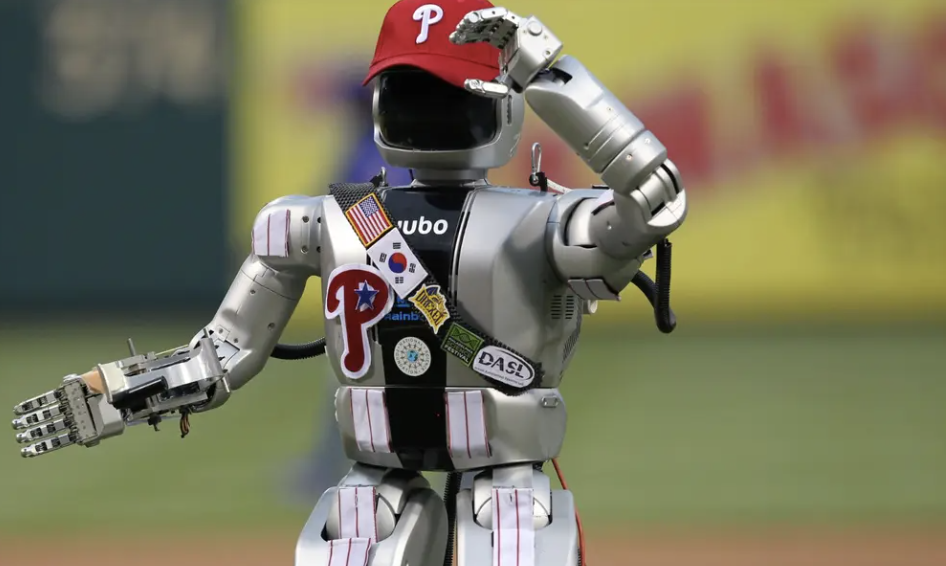
Get ready, baseball fans — the robots are coming. Starting in 2026, Major League Baseball will officially integrate the Automated Ball/Strike System (ABS) into the big leagues, bringing a massive tech upgrade to the age-old battle between pitcher and batter. But don’t worry — the human umpires aren’t getting benched just yet. They’ll still call balls and strikes, but now, for the first time, teams can challenge up to two of those calls per game, with the chance for more in extra innings. It’s a seismic shift in how the game will be played — and how it will be argued.
The decision came down this week from MLB’s 11-member competition committee. All six management representatives gave it a thumbs-up, and so did three of the four player reps after the move was backed by a vote of 22 out of 30 teams. The system uses Hawk-Eye camera tech — the same used in tennis — to evaluate the strike zone in real time. And when a challenge is triggered by a tap on the helmet or cap, fans will see the result displayed as a digital graphic on outfield video boards. The age of arguing with umpires is evolving into a high-tech review session.
Austin Slater, Yankees outfielder and one of the committee’s player reps, summed it up well. He acknowledged that even with cutting-edge tech, the system isn’t flawless — but then again, neither are humans. Umpires currently get about 94% of pitch calls correct, according to UmpScorecards. That’s pretty solid, but when games and careers hinge on a 3-2 call, even that remaining 6% is enough to justify trying something new. Slater’s point: If the system is a little more accurate and players can live with its minimal errors, why not give it a shot?
If you’re wondering why MLB is going all-in, consider this: Over 60% of all ejections in recent seasons have been over balls and strikes. That’s a staggering number. Toss in the amount of time wasted on shouting matches, arguments, and theatrical umpire confrontations, and it’s no surprise league officials are ready to embrace something that might cool things down — or at least refocus the drama where it belongs, on the field.
Yankees manager Aaron Boone, who’s no stranger to being tossed from games, called the move “inevitable.” He’s led the American League in ejections for five straight years, so if anyone knows the tension that surrounds strike zone disputes, it’s Boone. His stance? Skeptical at first, but open to the change. He’s seen other league adjustments succeed — pitch clocks, bigger bases, shift limits — and he’s hoping this one lands in the win column, too.
The ABS has been through years of testing, starting in the minors back in 2019 and moving up to Triple-A by 2022. By 2024, the challenge system became the dominant format. In 288 spring training games this year, teams challenged 1,182 calls and won just over 52% of them. That’s a strong success rate, and it suggests that players aren’t just blindly guessing — they’re spotting legit errors and proving it in real time.
And here’s the kicker — it’s not just fans and managers who are getting into this. Players like Phillies manager Rob Thomson have embraced the tech. He said most of his guys liked it during spring training. The appeal? It levels the playing field. It keeps umpires sharp. And it forces everyone — pitchers, catchers, and hitters — to stay focused, because if you’re wrong about a call, you could waste a precious challenge.
But not everyone’s sold. Kyle Higashioka of the Rangers made an interesting point: if you only get two challenges, a lot of borderline pitches will still come down to human judgment. That means pitch framing — the subtle catcher art of making a ball look like a strike — remains valuable. And that’s a big deal, because full-blown robotic strike zones threatened to make elite defensive catchers obsolete. With this hybrid system, that skill survives.
The challenge system also allows for adjustments as games go into extra innings, giving teams more appeals when the stakes are even higher. Plus, MLB has been experimenting with different strike zone shapes. For now, the system reads strikes based on where the ball crosses the midpoint of the plate — no three-dimensional zones yet, but it’s clear that more evolution is possible as technology and feedback evolve.
In the end, this move might be the most impactful rule change since the sweeping 2024 overhaul. Back then, baseball redefined itself with the pitch clock and anti-shift rules. Now, it’s redefining the strike zone. As Commissioner Rob Manfred put it, players wanted a challenge-based system, not a robot takeover. So that’s what they’re getting — a new blend of man and machine. The future of baseball won’t be totally automated, but it’s definitely getting smarter.