
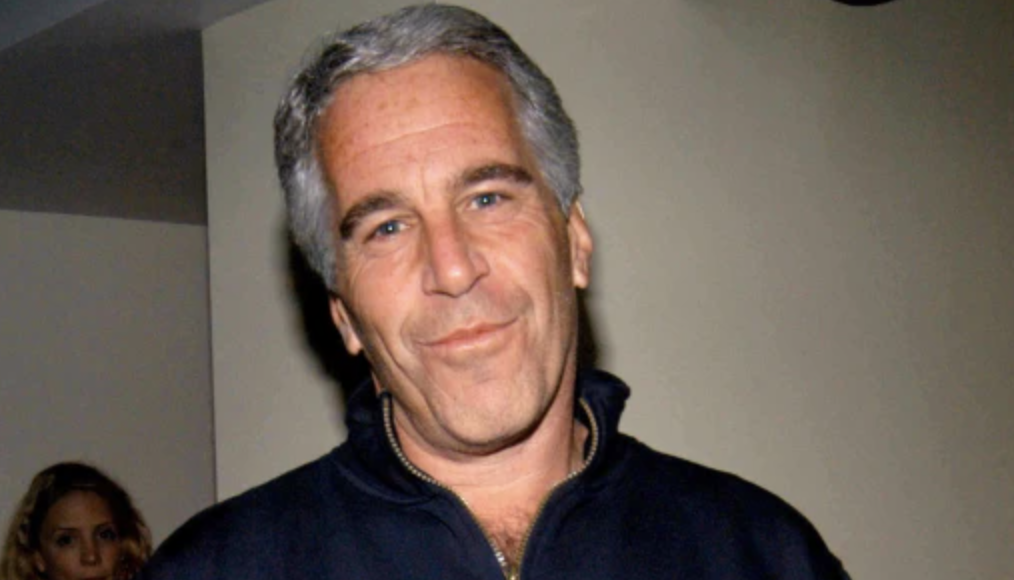
It’s been a week of courtroom doors swinging open, and for anyone following the long, tangled saga surrounding Jeffrey Epstein, this moment has been a long time coming.
After years of secrecy, sealed transcripts, and walls of legal procedure thick enough to muffle almost anything, a Manhattan federal judge has now cleared the way for the release of grand jury materials from Epstein’s 2019 sex‑trafficking investigation. And this wasn’t just an isolated move. It was the third ruling in a matter of days cracking open the vaults in both New York and Florida.
Judge Richard M. Berman, who once held firm that grand jury secrecy was practically immovable, reversed course and granted the Justice Department’s request to unseal roughly 70 pages of transcripts. And while he cautioned that these particular documents may not hold the explosive revelations the public imagines, the timing is unmistakable.
Congress passed the Epstein Files Transparency Act in November, and once the President signed it, the countdown began. That law requires the release of all classified and investigative materials by December 19, effectively overriding the legal norms that kept these records locked away for decades.
Now federal judges in both jurisdictions have authorized the release of grand jury transcripts, discovery files, witness testimony, and investigative materials. The DOJ says it’s working on redactions protecting victims’ identities, but beyond that, the scope of what will be edited remains unclear. What is clear is that the legal machinery is finally moving in a direction that, for years, seemed impossible.
All of this comes as pressure has mounted around the President’s early handling of the Epstein records. He campaigned on releasing them, hesitated once in office, and then released a small batch that was largely already public, drawing criticism from both opponents and allies.
Even high‑profile supporters voiced frustration, especially as questions swirled around Epstein’s presence at Mar‑a‑Lago in the early 2000s and his expulsion from the club over inappropriate behavior. And as Congress began surfacing older emails referencing the former president, the public impatience only intensified.
The upcoming releases will cover the arcs of both Epstein and Ghislaine Maxwell: the 2006 Florida grand jury, the 2019 New York prosecution, and the 2021 Maxwell case that laid out in detail the alleged recruitment of underage girls, including Virginia Giuffre’s well‑documented accounts.
Her allegations, depositions, and trial testimony have long been central to understanding Epstein’s methods, and her memoir noted that she did not accuse Trump of wrongdoing. Her death earlier this year added yet another layer of tragedy to a case already steeped in it.
So now the question isn’t whether the records will drop — it’s when, and what they will actually contain. After years of whispers, speculation, and sealed files, the public is about to see the next chapter unfold in real time, and the clock to December 19 is ticking louder by the hour.