
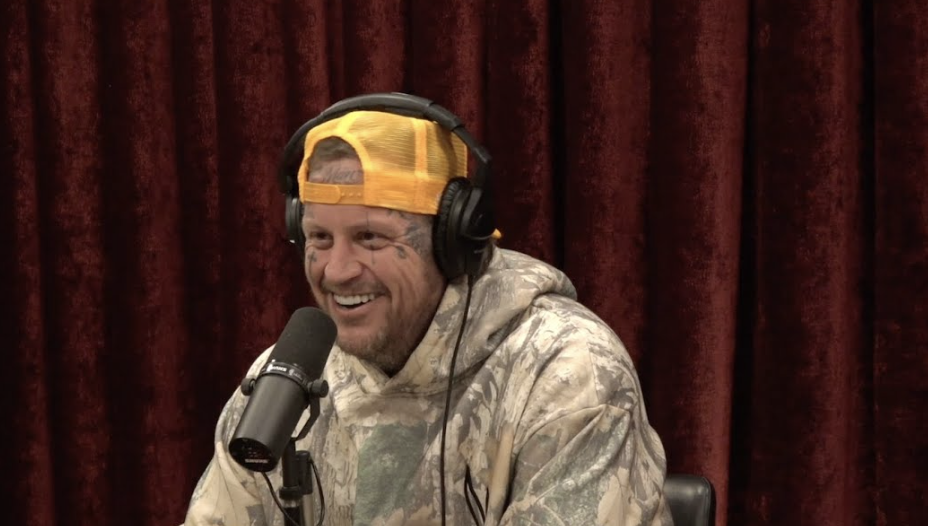
Jelly Roll is ready for the next chapter in his redemption story, and this time, it’s not a chart-topping single—it’s a personal plea to get his Second Amendment rights back, starting with the right to hunt.
The country-rap star opened up on “The Joe Rogan Experience” about the ongoing legal restrictions tied to his criminal record. Turns out, because of an aggravated robbery charge from when he was just 16, he’s not allowed to own or fire a gun—not for hunting, not for protection, not at all.
That conviction still follows him today, decades later, despite the success, sobriety, and philanthropic turn his life has taken.
But Jelly Roll is hoping that’s about to change. He told Rogan that his pardon paperwork is currently in the hands of Tennessee Governor Bill Lee, who reviews clemency requests every December.
The problem? Even with a pardon, Tennessee law doesn’t completely erase violent felony convictions. “I would be pardoned, but I wouldn’t be exonerated,” he explained. “Tennessee has a zero forgiveness policy for violent offenders.”
Jelly Roll isn’t asking to stockpile weapons. He’s asking for the chance to legally hold a rifle and go hunting—a hobby that’s done more for his mental and physical health than any therapy or treatment program ever could, according to him. “It’s done a lot for my mental health,” he said. “It’s done a lot for my physical health.”
He wants to push for legislation that allows for some form of gun rights restoration, particularly for non-homicide, non-sexual violent offenders who’ve stayed out of trouble for decades.
But it’s not just about hunting. Security is another factor. “I’m a million dollars plus a year in security,” he said. “I’d cut that bill in half tomorrow if I had the right to carry.”
Jelly Roll knows he’s a complicated figure—former addict, multiple-time inmate, tried as an adult before he could legally drive or rent an apartment—but he’s also a comeback story. And that’s what he’s banking on. He wants Tennessee lawmakers to see what he’s become, not what he was at 16.
His words to Rogan echoed a belief that many Americans hold close: the idea that redemption is possible. That people can change. “There should be some path to redemption. Even if it takes 30 years,” he said.