There are performers who light up a stage, and then there are performers who define it. Elizabeth Franz was one of the latter — a force of nature who carved her name into American theater history with grit, grace, and that unmistakable depth she brought to every role. This week, the curtain fell on a remarkable life as Franz passed away at her home in Woodbury, Connecticut, after a battle with cancer. She was 84.
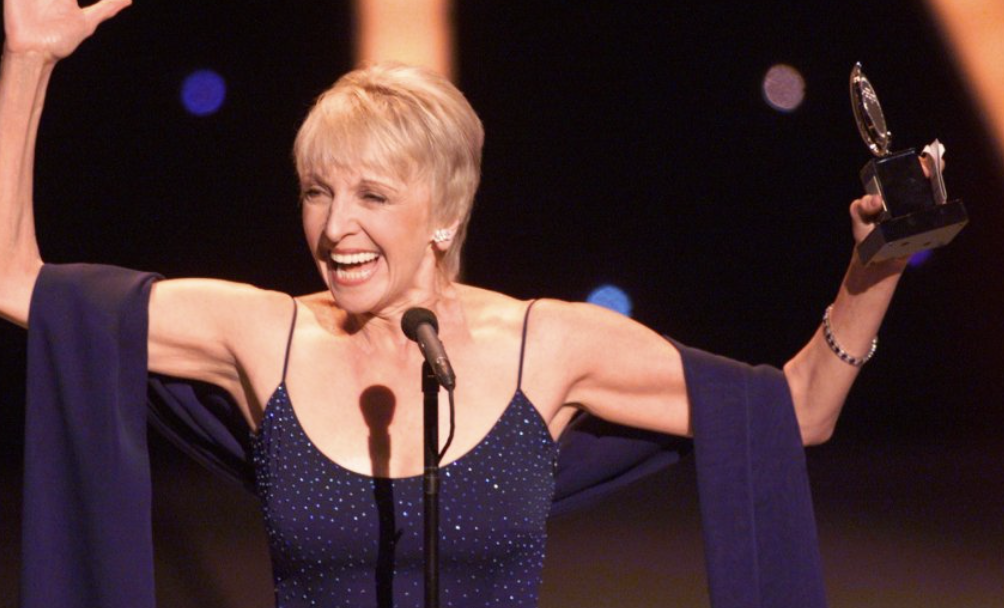
While many remember her for that towering 1999 performance as Linda Loman in the Broadway revival of “Death of a Salesman” — the role that earned her a Tony Award — her story stretches far beyond one production. Her path to Broadway began in Akron, Ohio, where she was born Elizabeth Jean Frankovitch.
Her father worked in a tire factory, her mother battled mental illness, and young Elizabeth grew up with resilience in her bones.
After moving to New York City in the early 60s, she studied at the American Academy of Dramatic Art, the same time and place as actor M. Emmet Walsh. That training launched a career that would span five decades across stage, screen, and television.
Before Linda Loman, there was Kate Jerome — the tough, loving mother in Neil Simon’s “Brighton Beach Memoirs” that earned Franz her first Tony nomination in 1983. There was also the acerbic, hilarious nun in “Sister Mary Ignatius Explains It All for You”, which snagged her an Obie Award in 1980. And then came “Morning’s at Seven” in 2002, where she stood alongside a powerhouse cast and scored another Tony nod. At every turn, she chose characters with weight, women rooted in their circumstances but never defined by them.
Arthur Miller himself praised Franz’s take on Linda Loman, saying she discovered in the role a protectiveness and fury that had never truly come alive in other versions.
That same performance, later adapted for television, earned her an Emmy nomination in 2000 — a rare feat for someone best known for her stage work.
But Elizabeth Franz wasn’t just a creature of the theater. She dipped into just about every corner of American entertainment, from daytime soaps like “As the World Turns” and “Another World”, to memorable guest spots on “Roseanne”, “Gilmore Girls”, “Law & Order”, and “Judging Amy”. She even held her own opposite Harrison Ford and Greg Kinnear in the 1995 remake of “Sabrina”.
Her personal life was as intertwined with performance as her professional one. She was married to actor Edward Binns until his death in 1990. The two shared the stage in productions of “Long Day’s Journey Into Night” and “A View From the Bridge”, blending their talents in ways that mirrored the depth of their connection.
At the end of the day, Elizabeth Franz wasn’t just another name in a Playbill. She was one of those rare artists who brought humanity to every line she spoke, whether on Broadway, in a television courtroom, or in a dusty rehearsal space in Vermont. She may have exited the stage, but her performances — and the fierce, unshakable truth she brought to them — are etched in the hearts of audiences forever.